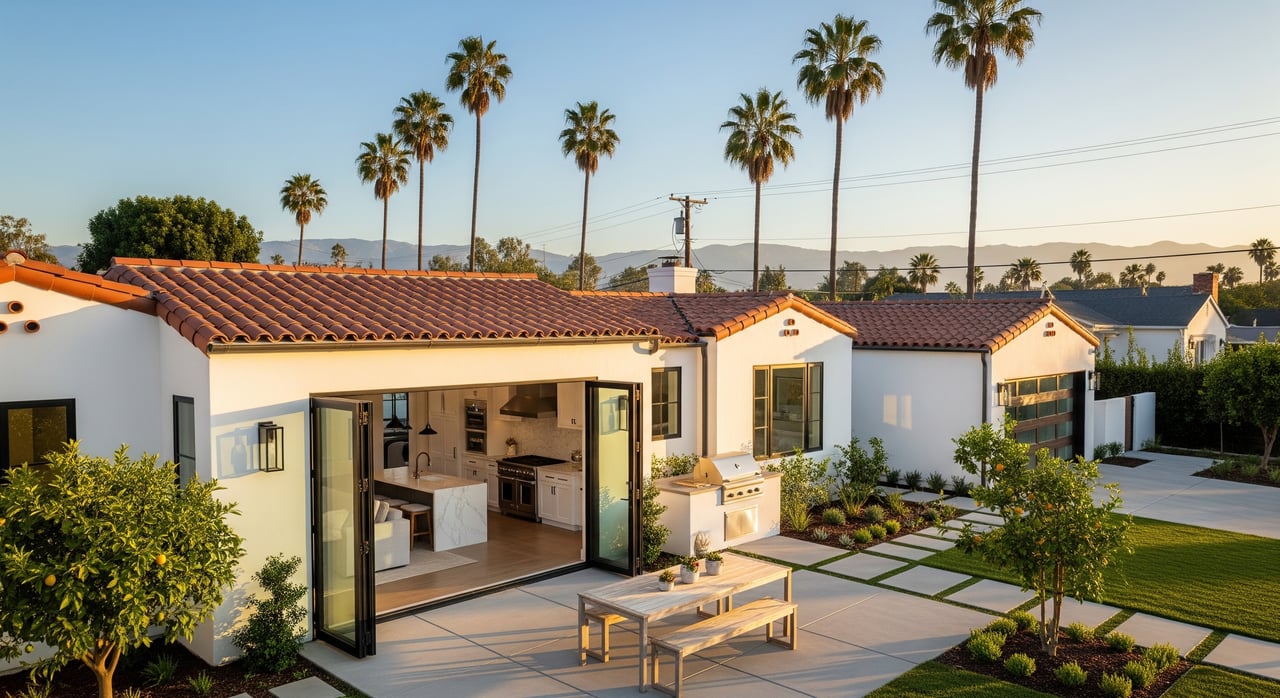
Thinking about selling your Pico Rivera starter home but not sure where to price it? You’re not alone. Entry-level homes move quickly when priced right and linger when priced even a little off. This guide gives you a simple, local process to set a smart list price, avoid common mistakes, and attract strong offers. Let’s dive in.
Pico Rivera pricing essentials
Pico Rivera’s starter homes are often mid-20th-century single-family properties on modest lots, so small differences in size, condition, and parking matter. Commute access to I-605, I-5, and SR-60 can influence buyer demand, especially for those working in Southeast LA and Long Beach. Mortgage rates also shape the buyer pool. When rates change, entry-level buyers feel it first, so keep an eye on Freddie Mac’s weekly mortgage rate survey.
Seasonality plays a role. Spring typically brings more showings and stronger pricing, while late summer and fall can see longer days on market. If your window to sell is 3 to 6 months, plan your prep and timing with these cycles in mind.
What numbers to track
- Median sale price and price per square foot for your Pico Rivera neighborhood.
- Days on market and sale-to-list price ratio to gauge seller leverage.
- Months of inventory to see if the market favors buyers or sellers.
- Pending-to-active ratio to spot near-term demand.
- Mortgage rate trend for buyer affordability using Freddie Mac’s weekly survey.
- Regional context from the California Association of Realtors market data.
Choose the right comps
Your list price should be built on recent, relevant comparable sales. For Pico Rivera, block-to-block differences can matter, so prioritize proximity and similarity.
How far and how recent
Use closed sales from the last 3 to 6 months. If conditions are changing fast, focus on the past 30 to 90 days. Start within 0.25 to 0.5 miles. Only stretch to 1 mile if you need more data and adjust carefully for location.
Size, beds, baths, and lot
Aim for comps within 10 to 15 percent of your home’s living area. Match bedroom and bathroom count when possible, or apply a clear, dollar-based adjustment for each difference. Compare lot usability too. A flat, private yard or an extra parking option can command a premium in Pico Rivera.
Condition and updates
If your home is original and a comp is remodeled, you will need to adjust. Kitchens, baths, major systems, and curb appeal drive noticeable price differences for entry-level buyers. If no comp matches your condition closely, use an adjustment grid and be conservative.
Make smart adjustments
Start with a tight price-per-square-foot range from your best comps, then adjust line by line:
- Square footage. Use PPSF and keep the size band tight for accuracy.
- Bedrooms and bathrooms. Entry-level buyers value each added bedroom or full bath; set a dollar adjustment that reflects local PPSF.
- Kitchen and bath condition. Remodeled spaces can lift offers; dated spaces can reduce them.
- Systems and maintenance. Roof, HVAC, electrical, plumbing, and termite or foundation items often impact appraisals and financing.
- Garage and parking. Covered parking or an extra bay can be meaningful where street parking is limited.
- Lot and outdoor space. Usable yard and privacy influence families and pet owners.
- Location specifics. Quiet interior streets typically compare differently than busier corridors or close-in commercial pockets.
For upgrade decisions, focus on return on value. The Remodeling Cost vs. Value report shows regional cost expectations and typical resale impact. Target projects with strong buyer appeal rather than full gut remodels before selling.
Repairs vs price concession
- Low-cost, high-impact items: paint, deep clean, landscaping refresh, minor repairs. These usually pay off with faster showings and better offers.
- Mid-cost refresh: light kitchen or bath updates. Compare cost and time against likely price lift. Sometimes pricing competitively is smarter.
- High-cost systems or structural items: disclose and either repair before listing or price accordingly to reduce appraisal and loan risk.
Micro-trends and timing
Look for street-level signals that shift demand in Pico Rivera. New small developments, nearby construction, or added density can change parking or traffic patterns. Track local notices through the City of Pico Rivera planning department. If your area has recent investor flips, recognize that some comps may be optimized and require condition adjustments.
Seasonality and timing
If you can, time your listing to spring when demand usually rises. In a low-inventory seller market, timing matters less. In a balanced or buyer-leaning market, precise pricing and presentation become critical.
Buyer sensitivity and a fallback plan
When mortgage rates rise, expect longer days on market and more pushback on price. Set a 7 to 14 day price review. If showings are low or offers are absent, plan a quick adjustment rather than waiting and accumulating days on market.
Step-by-step pricing plan
- Collect baseline data
- Pull current median price, PPSF, DOM, sale-to-list ratio, and months of inventory for your neighborhood. Use MLS via your agent and regional context from the CAR market data center.
- Select 3 to 6 closed comps
- Focus on the last 3 to 6 months, within 0.25 to 0.5 miles, matching size and beds/baths. Add 1 to 2 pending sales for demand signals and 2 to 3 active listings as your competition.
- Build an adjustment grid
- Start with PPSF. Adjust for size, bed/bath count, lot usability, condition, parking, and location. Produce a low, most-likely, and high suggested price range.
- Choose your pricing strategy
- Aggressive: list near the top of the range when demand is strong and your home shows like a model.
- Competitive: list at or slightly under market value to drive showings and encourage multiple offers.
- Value-plus: complete targeted updates only if the expected premium exceeds the cost and time.
- Prepare to pivot
- Review feedback after 7 to 14 days. If traffic is light, adjust price or marketing quickly.
- Set your negotiation limits
- Define your minimum acceptable net after estimated costs and repair credits. Share this with your agent so your strategy is aligned.
Prep your starter home
First impressions are everything in the entry-level segment. Focus on simple moves that boost perceived value.
- Paint neutral, brighten lighting, and replace tired carpet or refinish floors.
- Improve curb appeal with fresh mulch, trimmed shrubs, and a clean entry.
- Declutter, depersonalize, and stage rooms to show function and space. NAR research highlights buyer preferences and the impact of presentation on offers and time on market.
- Knock out minor repairs that can raise inspection concerns.
What a strong CMA includes
- 3 to 6 closed comps with photos, sale date, closed price, PPSF, and days on market.
- An adjustment grid that shows how each difference was valued.
- Market indicators: current DOM trend, sale-to-list ratio, and months of inventory.
- A recommended price range with a clear rationale and suggested list price.
- A quick prep checklist with cost bands and expected impact.
- A net sheet that outlines your estimated proceeds at different sale prices.
Avoid these pricing mistakes
- Starting high to “leave room” and then chasing the market after weak showings.
- Ignoring condition gaps versus remodeled comps.
- Overlooking lot usability and parking differences.
- Skipping a 7 to 14 day review plan in a rate-sensitive market.
- Forgetting due diligence on risks like flood zones using the FEMA Flood Map Service Center and tax or lot data from the LA County Assessor.
Ready to price with confidence?
If you want a clear, data-backed list price with local context, let’s talk. I can pull a custom CMA, make condition adjustments, and map out your pricing plan, timing, and net proceeds so you can move forward with clarity. Connect with Mark Anthony Ramos for a friendly, step-by-step strategy tailored to your Pico Rivera home. Hablamos español.
FAQs
How close should Pico Rivera comps be?
- Aim for 0.25 to 0.5 miles in the last 3 to 6 months; extend up to 1 mile only if inventory is thin and adjust carefully for location.
What if my starter home needs work before listing?
- Handle low-cost, high-impact items like paint, deep clean, landscaping, and minor repairs; for big-ticket systems, disclose and either repair pre-list or price accordingly.
How does condition affect appraisal and financing?
- Appraisers rely on comparable sales; dated condition or major defects can push the appraised value down and create loan issues unless the price reflects required repairs.
Should I price a little high to negotiate down?
- In price-sensitive starter segments, overpricing can shrink showings and lengthen days on market; competitive pricing often leads to stronger overall results.
When should I consider a price reduction?
- Review performance after 7 to 14 days; if showings are weak or feedback is consistent on price, move quickly to adjust rather than accumulating days on market.