Buying your first home in Pico Rivera can feel exciting and overwhelming at the same time. Prices are high, competition is real, and you may be trying to balance your budget, commute, and family needs all at once. The good news is that a clear plan can help you move forward with more confidence, fewer surprises, and a better chance of success. Let’s dive in.
Understand the Pico Rivera market
If you are buying your first home in Pico Rivera, start with the local numbers. In spring 2026, Redfin reported a median sale price of $747,053, while Realtor.com showed a median list price of $728,000. Homes were selling in about 39 to 42 days, which points to an active market rather than a slow one.
Competition also matters. Redfin reported a 101.1% sale-to-list ratio, and 52.3% of homes sold above list price. That means many buyers are still competing and, in some cases, paying over asking.
You may also see Census figures showing a median owner-occupied home value of $648,600. That number is useful for background, but it is different from current sale prices because it comes from a different time frame and method. For your budget, live market pricing is usually the better guide.
Know what kind of homes to expect
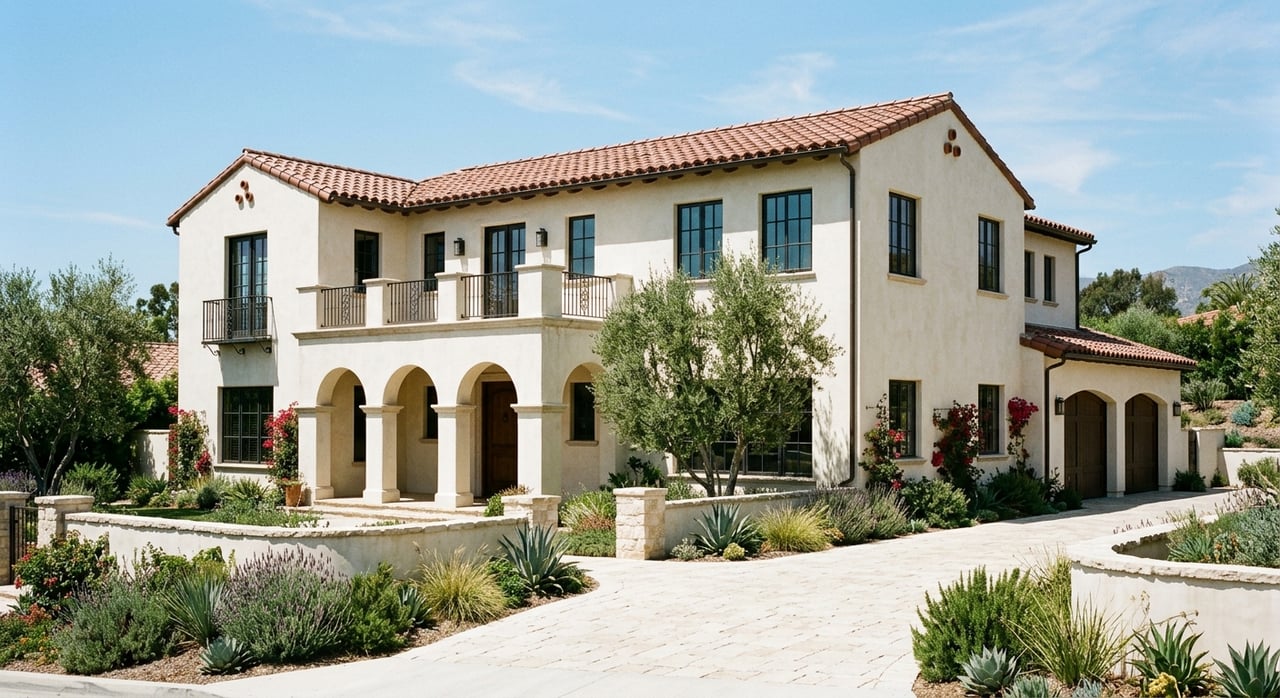
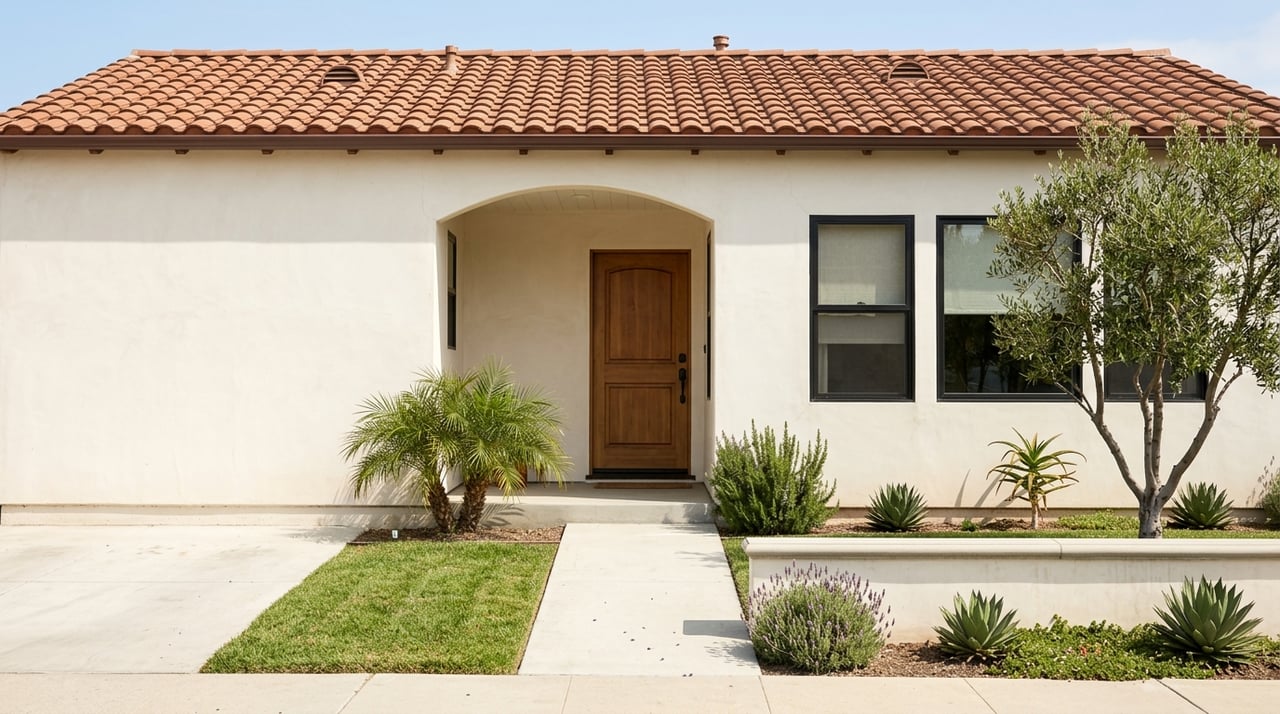
Pico Rivera’s housing stock has a clear pattern. SCAG reports that 76.5% of housing units are single-family detached homes, while smaller shares include single-family attached homes, small multifamily properties, larger multifamily buildings, and mobile homes. If you want a detached home, you will find that this is the main property type in the city.
Age is another big factor. SCAG says 78.4% of Pico Rivera housing was built before 1970. For you, that means inspections, repair planning, and renovation tolerance should be part of your search from day one.
Older homes can offer charm, larger lots, or established layouts, but they may also come with deferred maintenance. You may need to think about roofing, plumbing, electrical systems, windows, or general updating. A home that looks affordable at first can feel different once repair costs enter the picture.
Build a realistic budget first
Before you tour homes, get clear on what you can comfortably afford each month and what you need to bring to closing. The Consumer Financial Protection Bureau says closing costs, not including your down payment, typically run about 2% to 5% of the purchase price. In a market where homes are often around $730,000 to $750,000, that can be a meaningful amount of cash.
Your budget should include more than principal and interest. Homeownership also includes property taxes, insurance, utility costs, maintenance, and any immediate repairs or updates after move-in. If you stretch too far on the purchase price, you may feel pressure later.
A smart first step is to organize your finances. Focus on:
- Checking your credit
- Tracking your monthly spending
- Building savings for down payment and closing costs
- Setting aside reserves for moving and first repairs
- Avoiding new debt while preparing to buy
If you are self-employed or have non-traditional income, planning early matters even more. Clean records, organized bank statements, and updated tax documents can make the financing process smoother.
Get preapproved early
In Pico Rivera, preparation helps you compete. A preapproval letter shows sellers that you are likely able to finance the home, which can strengthen your offer. The CFPB also notes that preapproval is not the same as final loan approval, so it is helpful but not a final guarantee.
When you apply, be ready to share documents like pay stubs, bank statements, employment history, and tax returns. Some preapproval letters may expire after 30 to 60 days, so timing matters. If your search takes longer, you may need to refresh it.
It is also important to remember that a preapproval does not lock you into one lender. After you are in contract, you can compare official Loan Estimates more carefully. That step can help you understand your rate, lender fees, and cash needed at closing.
Learn the first-time buyer rules
Many buyers assume that first-time buyer programs all work the same way, but they do not. CalHFA defines a first-time homebuyer as someone who has not owned and occupied a home in the last three years. That definition can open the door for buyers who rented for several years, even if they owned in the past.
CalHFA also requires homebuyer education for first-time borrowers. Accepted options include the eight-hour eHome course or in-person or virtual counseling through NeighborWorks America or a HUD-approved housing counseling agency. If you plan to use assistance, it is wise to confirm the education requirement early so it does not slow down your timeline.
Some programs also have added rules beyond the standard first-time buyer definition. For example, some shared-appreciation programs may include a separate first-generation requirement. The safest move is to verify current eligibility before you count on any assistance funds.
Explore down payment help available in Los Angeles County
If saving for upfront costs feels like the biggest hurdle, local and state assistance programs may help. CalHFA’s MyHome Assistance Program offers deferred-payment junior loans of up to 3.5% of the purchase price or appraised value for FHA loans, or up to 3% for conventional loans. Income limits vary by program and county, so you should check eligibility early.
Los Angeles County also offers support through LACDA’s Affordable Homeownership Program. This program provides first-time homebuyer down payment assistance through a deferred secondary mortgage, and applicants cannot have held an ownership interest in a principal residence within the past three years.
Another county option is the Greenline Home Program. It offers a $35,000 grant for down payment or closing costs, requires a HUD-approved eight-hour class, requires 3% of the buyer’s own funds, and applies to single-family homes, condos, and townhomes.
Programs can change, fill up, or have specific lender requirements. Since CalHFA does not accept applications directly, you will work through an approved lender. Starting that conversation early can save time and help you build a realistic plan.
Search with Pico Rivera tradeoffs in mind
When you start touring homes, do not focus only on bedroom count or cosmetic finishes. In Pico Rivera, the biggest tradeoffs are often payment, commute, and property condition. A home that looks perfect online may not fit your daily life once you factor in traffic, parking, or repair needs.
Commute is especially important here. The city is about 13 miles southeast of downtown Los Angeles and has access to three freeways and major railroads. SCAG found that Los Angeles is the top work destination for Pico Rivera residents, and Census QuickFacts puts the mean travel time to work at 30.3 minutes.
Long commutes are common. SCAG reported that 50.9% of commuters spent more than 30 minutes one way, and 83% drove alone to work. If you work outside Pico Rivera, your home search should include freeway access, daily traffic patterns, parking, and how many vehicles your household needs.
That matters even more because SCAG found that 30.5% of households owned one or no vehicles. Depending on your situation, access, driveway space, garage setup, and street parking may affect your day-to-day comfort as much as the house itself.
Think about household needs now and later
Pico Rivera has a strong owner-occupied base, with Census QuickFacts showing a 70.5% owner-occupied housing unit rate. The city also has an average household size of 3.55 people. For many first-time buyers, that means planning for both your current needs and how the home may function over time.
If you expect your household to grow, think carefully about layout, storage, parking, and outdoor space. A lower monthly payment can be appealing, but a home that no longer works for your daily routine can create stress later. Buying with a little flexibility can help you stay put longer.
Language access also matters for many local households. Census QuickFacts reports that 65.4% of residents speak a language other than English at home, and 30.2% are foreign-born. Clear, step-by-step guidance in the language you are most comfortable using can make the process easier to understand.
Make stronger offers in a competitive market
In a market where more than half of homes sell above list price, writing an offer is not just about choosing a number. Your terms, financing strength, and readiness all matter. Sellers often look for buyers who seem organized, informed, and able to close.
That does not mean you should rush or waive important protections without understanding the risks. It means you should know your ceiling, review your cash-to-close carefully, and work from a plan instead of emotion. A competitive market rewards prepared buyers more than hopeful buyers.
Strong preparation often includes:
- An updated preapproval letter
- Clear understanding of your monthly budget
- A plan for down payment and closing costs
- Awareness of repair needs on older homes
- Fast response times when a good home hits the market
Compare loan offers before closing
Once your offer is accepted, slow down and read the details. The CFPB recommends reviewing Loan Estimates and comparing costs carefully. This is where you can see how different lenders structure rates, fees, and monthly payments.
As closing gets closer, review your Closing Disclosure before signing. Closing is the final step where documents are signed and you become responsible for the mortgage. This is not the time to skim.
A careful closing process can help you avoid surprises. If a number changed, a fee looks unfamiliar, or your cash-to-close seems higher than expected, ask questions before signing. Buying your first home is a major step, and clarity matters.
Why a local roadmap matters
Pico Rivera is not a one-size-fits-all market. It is a city where detached homes are common, older housing stock shapes repair decisions, and commuting often plays a major role in daily life. Add in strong competition and high upfront costs, and it becomes clear why first-time buyers benefit from a simple, local plan.
If you prepare your finances, understand assistance options, and search with realistic expectations, you can move through the process with more confidence. The goal is not just to buy a house. It is to buy a home that fits your budget, your routine, and your long-term goals.
If you want bilingual, step-by-step guidance as you plan your first home purchase in Pico Rivera, connect with Mark Anthony Ramos.
FAQs
What is the current home price range for first-time buyers in Pico Rivera?
- Recent spring 2026 market data showed a median list price of $728,000 and a median sale price of $747,053, so many first-time buyers should plan around the high-$700,000 range depending on the property and competition.
What makes Pico Rivera challenging for first-time homebuyers?
- Pico Rivera can be challenging because homes often sell near or above list price, detached homes dominate the market, and much of the housing stock was built before 1970, which can increase repair and renovation considerations.
What counts as a first-time homebuyer in California programs?
- For CalHFA and Los Angeles County programs mentioned here, a first-time homebuyer is generally someone who has not owned and occupied a principal residence within the past three years.
What down payment help is available for Pico Rivera buyers?
- Buyers may explore CalHFA MyHome Assistance, LACDA’s Affordable Homeownership Program, and Los Angeles County’s Greenline Home Program, each with its own rules, education requirements, and eligibility standards.
What should Pico Rivera buyers budget beyond the down payment?
- You should also budget for closing costs, which the CFPB says are typically about 2% to 5% of the purchase price, plus moving expenses, property taxes, insurance, and first repairs.
Why does commute planning matter when buying in Pico Rivera?
- Commute planning matters because many residents drive to work, over half of commuters spend more than 30 minutes one way, and access to freeways, parking, and vehicle needs can affect your daily quality of life as much as the home itself.